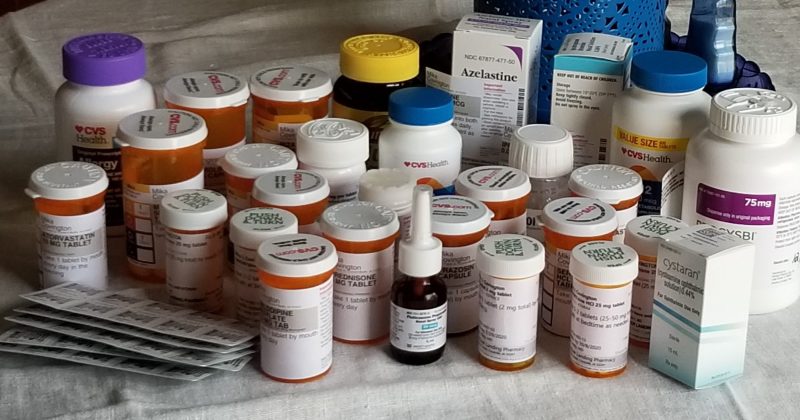
Cystinosis
- Is an ultra-rare genetic metabolic disease that affects every cell in the body. It affects every organ system in the body including the bones, brain, eyes, kidney, liver, muscles, pancreas, testes, and thyroid.
- It is a lysosomal storage disease.
- It is in the DNA and it is inherited. It’s caused by a mutation in the CTNS gene.
- It’s a persistent, progressive disease that continues to cause damage even after kidney transplant.
- Is currently numbering both children and adults in these estimates:
- 500 people in the U.S.
- 2,000 people worldwide
Specialists Adults With Cystinosis May Include On Their Healthcare Team:
Every adult with cystinosis will have differing combinations of these healthcare professionals due to family genetics, how fast cystinosis progresses in their body, and variation of the CTNS gene.
1. Endocrinologist: they address growth hormone therapy, hormonal replacement therapy (HRT) whether it’s estrogen or testosterone, and diabetes.
2. Gastroenterologist: they address gastric complications if cysteamine therapy increases regular constipation, diarrhea, gastric reflux, nausea, and vomiting. They can also diagnose and treat secondary gastric issues like Chrohn’s, gastroparesis, Irritable Bowel Syndrome (IBS), and multisystemic symptoms like dysmotility, dyspagia, and swallowing difficulties.
3. General Practioner/Family Medicine: they write referrals to specialists as healthcare needs progress and can oversee healthcare progress with those specialists.
4. Geneticist: they can identify the specific variation of cystinosis one has and speak to family planning concerns regarding parenthood.
5. Gynecologist: they address the human needs regarding specific estrogen-related concerns as well as the uterus.
6. Neurologist: they address progressing potential cystinosis multisystemic neuro-musculer symptoms like early-onset dementia, migraines, paralysis, seizures, and stroke.
7. Ophthalmologist: they write referrals for cysteamine eye treatment and manage other eye care needs.
8. Post-transplant Nephrologist: they address kidney transplant treatment after pre-transplant pediatric specialists no longer see a patient under age 25.
9. Psychiatrist/Psychologist: they address needs regarding adverse childhood experiences (ACE), emotional and mental health concerns, learning disabilities, and medical trauma.
10. Pulmonologist: they address progressing needs like ongoing asphyxiation risks, chronic respiratory illness, and muscle wasting in the lungs.
11. Rheumatologist: they address chronic and ongoing additional diagnoses like autoimmune diseases, and pain in any body location.
12. Speech Therapist: they can address muscle wasting symptoms that affect swallowing and voice in addition to diagnosing autism/adhd.
 Next Generation of Cystinosis